

The English Premier League reaches more than 180 countries and attracts billions of viewers each season. Few sporting events command that level of global attention. As viewing habits change, so does the way fans experience matches, highlights, and analysis. Traditional television networks and online streaming platforms now share the stage, yet their approaches to coverage feel very different.
Search trends show that many fans now look for flexible viewing options such as EPL Broadcast (EPL중계) services online, especially when matches air outside regular hours in their region. This shift highlights a larger transformation. Television news outlets still offer structured, studio-driven programming, while streaming platforms lean toward immediacy, customization, and interactive features. The contrast goes beyond screen size. It shapes how football stories are told.
Presentation Style: Structured Studio vs. Fluid Digital Space
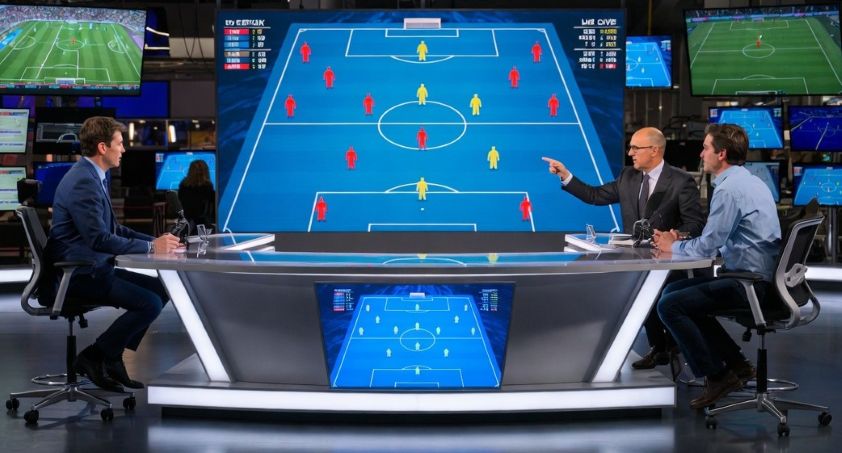
Traditional TV news coverage of the Premier League follows a clear format. Networks such as Sky Sports and BBC Sport rely on polished studio sets, formal intros, and scheduled segments. Viewers often see a presenter seated at a desk, introducing highlights, followed by expert analysis. Graphics are consistent and branded. The tone feels authoritative and steady.
Major matches are framed as headline events. A derby between Manchester United and Liverpool, for example, might open a sports bulletin with dramatic music and a recap package. The structure mirrors other news formats, with match footage inserted between commentary and interviews.
Streaming platforms work differently. The layout is built around the live feed. Users choose camera angles, switch to real-time stats, or watch condensed highlights minutes after the final whistle. The interface feels more flexible. There is less emphasis on studio ceremony and more focus on user control.
Commentary Tone: Formal Analysis vs. Conversational Energy
Commentary on traditional television tends to sound measured. Broadcasters like Martin Tyler, long associated with Premier League coverage, built reputations on clear, composed narration. Pundits such as Gary Neville and Jamie Carragher offer tactical breakdowns in structured segments. Conversations unfold at a steady pace.
Online streaming commentary often feels looser. Digital platforms may feature younger commentators or guest analysts who speak in a more casual tone. Some services include fan-driven chats or live reaction feeds. The result is faster and more expressive. Mistakes, celebrations, and controversies spark instant reactions across the screen.
This difference reflects audience expectations. TV viewers often tune in for a complete, edited package. Online viewers expect speed. They want instant replays, quick clips for social sharing, and live statistics during the game.
Studio Analysis and Depth
Studio analysis remains a strong point for traditional networks. Pre-match and post-match discussions can last 30 minutes or more. Tactics boards, slow-motion breakdowns, and player heat maps help explain key moments. The format gives space for debate. Analysts challenge each other’s views and build storylines over the season.
Television news programs adapt when covering major football events. During title-deciding matches, sports segments may expand in length. Anchors shift from regular headlines to extended coverage, reflecting the cultural weight of the Premier League. Football becomes the main story of the day.
Streaming platforms provide analysis as well, yet it often comes in shorter bursts. Some services attach quick expert clips before switching back to highlights. Others offer separate on-demand analysis shows. The experience feels modular. Fans can skip directly to the parts they care about.
Accessibility and Viewing Habits
Accessibility marks the biggest change in how fans consume football. Traditional television depends on scheduled programming and regional broadcast rights. Viewers must tune in at specific times. Recording options exist, yet the process still revolves around a fixed timetable.
Streaming platforms remove many of those limits. Fans can watch live matches on phones, tablets, or smart TVs. On-demand replays are available shortly after the final whistle. This flexibility has fueled the growth of digital EPL Broadcast options worldwide. For supporters living in different time zones, the ability to pause, rewind, or watch later is a major advantage.
Cost structures differ as well. Cable subscriptions often bundle sports channels with other programming. Streaming services may offer monthly passes focused mainly on football. This targeted approach appeals to younger audiences who prefer paying for specific content rather than full packages.
Visual Experience and Technology
Television networks invest heavily in production quality. Multi-camera setups, high-definition feeds, and professional lighting create a cinematic feel. Major broadcasters deploy advanced graphics to display league tables, player stats, and live updates.
Streaming platforms match much of that quality and add interactive tools. Some offer multi-view screens where fans track several matches at once. Others integrate real-time betting odds or social media comments. The screen becomes a hub for activity rather than a single broadcast feed.
Technology continues to narrow the gap. High-speed internet and smart devices allow online coverage to rival traditional television in clarity and stability. At the same time, established networks are launching their own digital apps, blending both worlds.
READ ALSO – When eSports Meets News: League of Legends Role Substitutes Shine on TV
Conclusion
English Premier League coverage reflects broader media trends. Traditional TV news delivers structured storytelling, in-depth studio debate, and a sense of ceremony around major matches. Online platforms emphasize flexibility, speed, and user choice. Each format serves a different need.
Fans today move easily between both worlds. They might watch a live match through an EPL Broadcast stream, then turn to a television highlight show for expert breakdowns. The game remains the same, yet the viewing journey has evolved. As technology advances, the line between television and streaming will keep fading, giving supporters more ways than ever to stay close to the action.